
Ceramic tiles manufacturer evaluation becomes more useful when project contractors treat a 3d ceramic tiles manufacturer review as an execution decision, not just a datasheet exercise. Surface relief, tile-body consistency, packaging protection, project references, and export timing all shape whether the final installation will meet the design brief. The safest path moves buyers from blog research into product-range review, then into OEM discussion, and finally toward a detailed inquiry.
Start with the right tile category before reviewing details
The first step is confirming whether the project needs standard ceramic tiles, decorative wall tiles, or a more customized 3D ceramic tile direction. Buyers should begin with the MagiTiles product range for ceramic tile projects so the sourcing discussion stays tied to the correct application and finish path.
That category review matters because a decorative relief tile program changes the approval process. Mold development, surface texture, edge control, carton protection, and loading plans can all differ from a standard flat tile order. A strong sample image in a catalog does not explain how those factors will be managed in production and shipment.
What project contractors should check beyond the datasheet
A datasheet is still useful, but it should only be one part of the evaluation. Buyers should ask:
- How stable are dimensions, thickness, and relief tolerances across repeat production?
- How are custom colors, textures, and mockup revisions approved before mass production?
- What packaging method protects shaped ceramic tiles during export handling and delivery?
- Which project references show experience with decorative wall tiles or commercial tile programs?
- How are production milestones and shipment timing coordinated with the installation schedule?
These checks keep the sourcing review fully tile-focused. They also help project teams compare whether a 3d ceramic tiles manufacturer can move from concept approval to repeatable production without losing control of quality or timing.
OEM review reveals how customization is actually handled
After the product category is clear, buyers should use MagiTiles OEM and ODM support for ceramic tile customization and project coordination to judge how the supplier translates drawings, finish references, sample feedback, and packaging needs into an organized production plan.
This is where the difference between a ceramic tiles manufacturer and a project-capable partner becomes clearer. Decorative tile projects often require more than one sample round, closer finish matching, and better delivery coordination. Buyers should look for a process that connects customization review, engineering confirmation, and shipment planning instead of treating each step as a separate conversation.
Project references and standards-based thinking reduce surprises
Project references matter because ceramic tiles must perform in real spaces, not just in a sample box. Hospitality, retail, residential, and commercial references can show whether the supplier has handled the visual expectations and schedule pressure that come with specification-driven jobs.
The International Organization for Standardization is also a useful authority source when teams want to frame supplier review around process discipline, documented approvals, and repeatable quality control. That approach helps buyers ask better questions about how the tile program will be managed after the initial sample is approved.
Keep the buyer journey moving toward inquiry
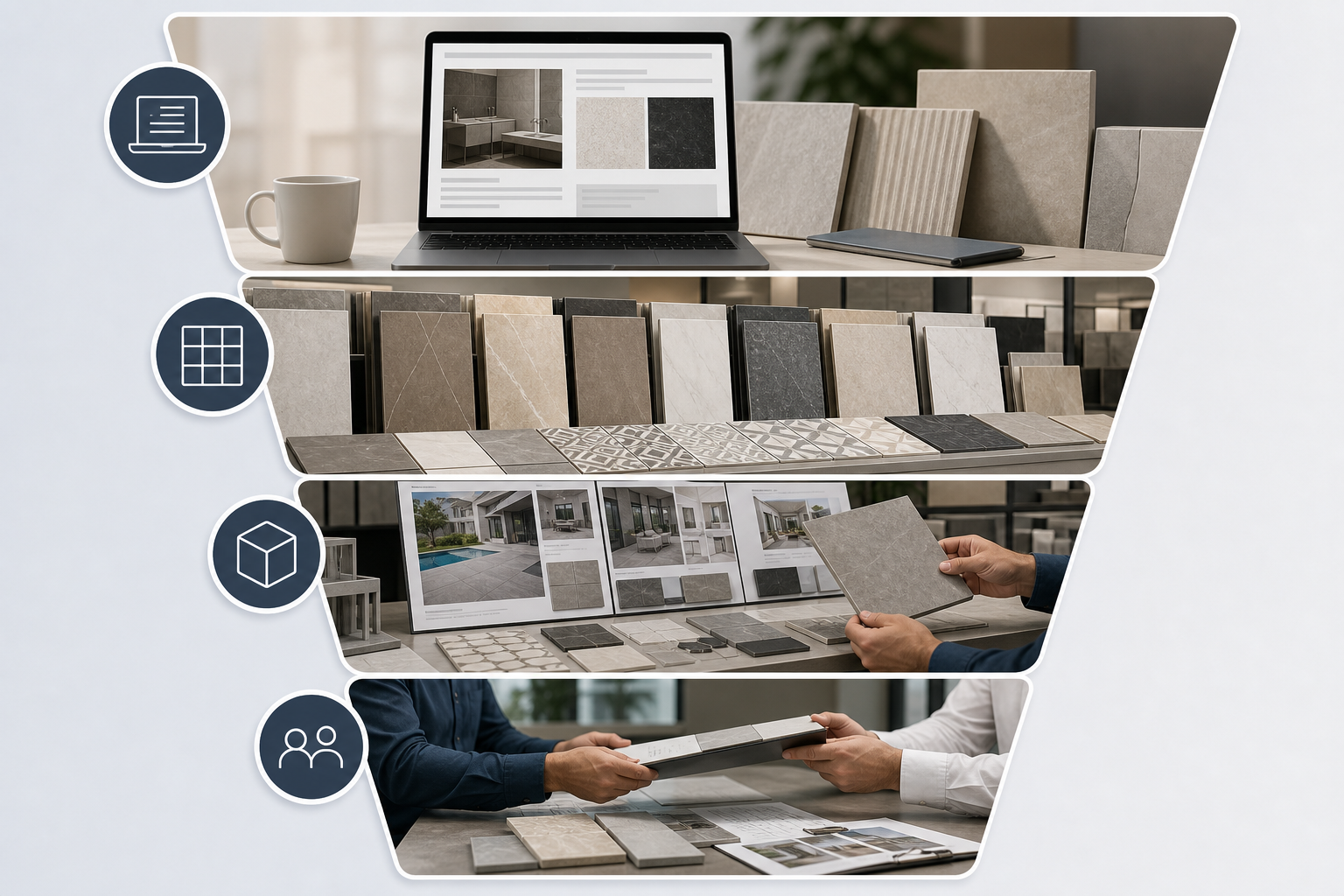
The funnel should stay simple:
- Use the blog article to identify the sourcing issues a datasheet cannot answer.
- Review the product range to confirm the right ceramic tile or 3D wall-tile direction.
- Use the OEM discussion and project references to evaluate customization discipline and delivery readiness.
- Send a practical inquiry with tile type, target finish, quantity, application area, and project timing.
When the project team is ready for the next step, they can contact MagiTiles for a ceramic tile project inquiry. A detailed inquiry helps the factory respond with the right product path, sampling plan, packaging method, and delivery coordination instead of a generic quotation.
Conclusion
3d ceramic tiles manufacturer selection works best when project contractors evaluate more than the datasheet. Ceramic tile category fit, customization control, project references, and delivery coordination all influence whether the final order supports the real project. The strongest path moves from blog insight to product-range review, then into OEM discussion, and finally toward a clear inquiry that supports execution.