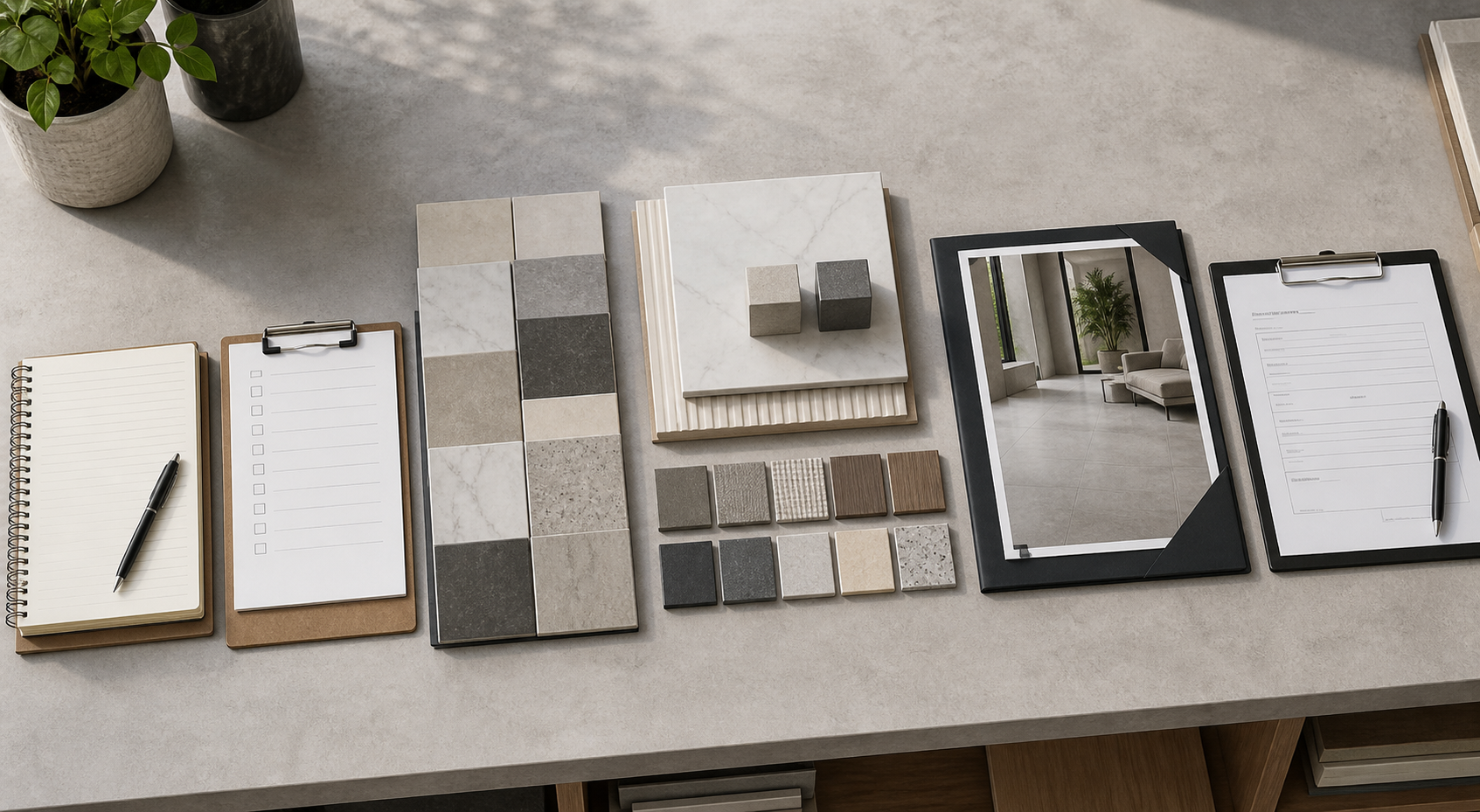
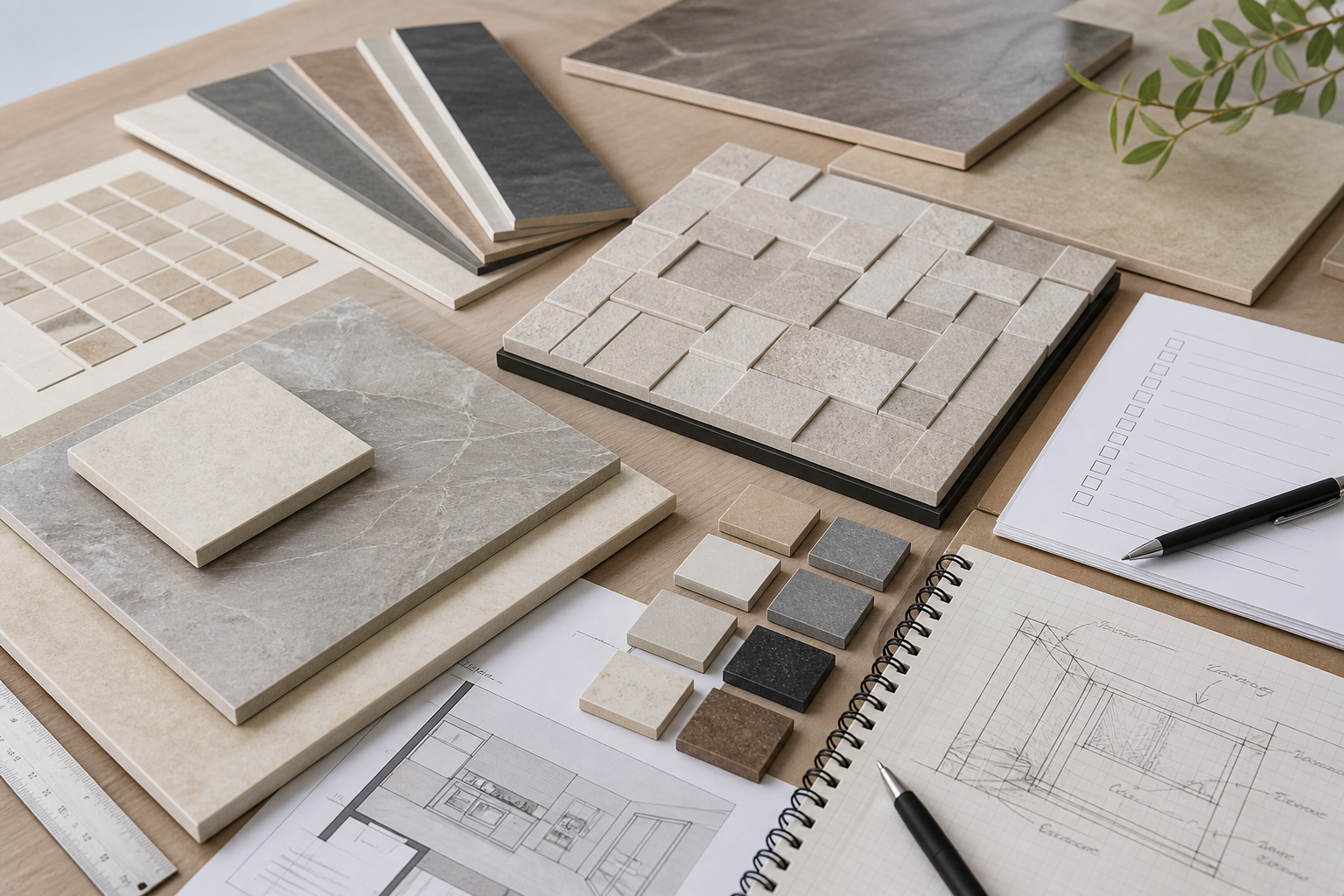
Ceramic tiles manufacturer sourcing still frustrates many buyers even after they compare multiple suppliers. Quotes may look competitive, samples may seem acceptable, and factory presentations may sound polished, yet the project can still run into specification gaps, customization delays, packaging damage, or delivery confusion. The problem is not that buyers compare suppliers. The problem is that they often compare the wrong things first. A stronger sourcing path moves from blog insight to product-range review, then OEM and project-reference evaluation, and finally a clear inquiry.
Comparing suppliers too early creates false confidence
Many teams start with quotations before they confirm the right tile path. That shortcut creates false confidence because a supplier quoting plain wall tiles is not necessarily prepared for decorative surfaces, tailored packaging, or the coordination demands of a commercial schedule.
Before asking which offer is cheapest, buyers should review the MagiTiles product range for ceramic tile projects and separate standard ceramic tiles from more specialized decorative options such as 3D ceramic tiles. This step sounds basic, but it changes the entire sourcing discussion. Product category determines how the factory should approach sample development, finish consistency, export protection, and lead-time planning.
Tile-focused sourcing needs more than a sample and a price
A ceramic tile sample is useful, but it is not enough on its own. Project teams should push every ceramic tiles manufacturer to explain how the following points are controlled:
- Tile size, thickness, and surface consistency across repeat production.
- Relief-depth control and mold approval for 3D ceramic tile programs.
- Color confirmation, mockup revision, and customization checkpoints.
- Carton, pallet, and edge-protection planning for export delivery.
- Delivery coordination between production timing, loading, and site requirements.
These questions keep the sourcing review fully tile-focused. They also help buyers understand whether the supplier can manage decorative wall tiles, customized finishes, and project-reference expectations without losing control once the order moves beyond the first sample.
OEM discussion reveals whether the factory can really execute
The next comparison should not be another spreadsheet of prices. It should be a process conversation. Buyers can use MagiTiles OEM and ODM support for ceramic tile customization and project coordination to judge how a supplier handles drawings, finish references, sample approval, packaging adjustments, and production follow-up.
This is especially important when the project includes 3D ceramic tiles or customized decorative surfaces. A supplier may produce an attractive sample, but that does not prove they can protect shape definition, glazing consistency, and packaging strength across the full shipment. A dependable ceramic tiles manufacturer should explain how customization is translated into production controls and how project references support that claim.
Project references matter because tiles live in real delivery conditions
Buyers often talk about tile appearance but spend too little time on project evidence. Project references show whether the supplier has supported hospitality, retail, residential, or commercial installations with similar technical and delivery pressure. They also help buyers judge whether the factory understands communication, revisions, and shipment timing in a real business setting.
The International Organization for Standardization is also a useful authority reference when sourcing teams want to frame evaluation around process discipline and documented quality control. Standards-based thinking keeps the conversation practical. Instead of relying on broad sales promises, buyers can ask how the ceramic tiles manufacturer maintains consistency, records approvals, and protects delivery quality.
Keep the buyer journey moving from article to inquiry
The strongest funnel is simple and intentional:
- Use the blog article to understand why supplier comparison still leaves hidden risk.
- Review the product range to confirm whether the project needs standard ceramic tiles, decorative wall tiles, or a 3D ceramic tile program.
- Use the OEM and ODM discussion to test customization control, project references, and delivery coordination.
- Send a clear inquiry with tile type, quantity, finish targets, application area, and project schedule.
When the sourcing team is ready for the next step, they can contact MagiTiles for a ceramic tile project inquiry. That inquiry should include the product direction, customization needs, reference images, and delivery timing so the factory can respond with a practical execution path instead of a generic quote.
Conclusion
Ceramic tiles manufacturer comparison does not solve project risk unless buyers compare the factors that control real execution. Tile category fit, 3D ceramic tile customization, project references, and delivery coordination all matter more than a low headline price. The better path starts with the right product range, continues through OEM and project review, and ends with a detailed inquiry that helps the supplier support the project from sample stage to shipment.